Corrosion is a problem that everyone in the marine world knows all too well.
It damages metal, shortens bearing life and can turn a simple maintenance job into an expensive drydock delay.
Saltwater takes its toll quickly, especially on parts under constant exposure. Grease and coatings can hold it off for a while but they’re only short-term fixes.
For decades, bronze and steel have been the go-to materials but they come with limitations; they’re heavy, wear down over time and need constant maintenance to keep going.
So why do so many continue to use the same old materials when better, longer-lasting options already exist?

The True Cost of Corrosion in Marine Environments

Traditional Materials vs Tufcot® T100 Marine
Bronze and steel have long been trusted in marine engineering; familiar, reliable and proven. But these traditional materials have always had their limitations; they are strong but heavy, prone to corrosion and demand ongoing lubrication and protection in harsh marine environments.
That’s where Tufcot® T100 Marine changes the equation.
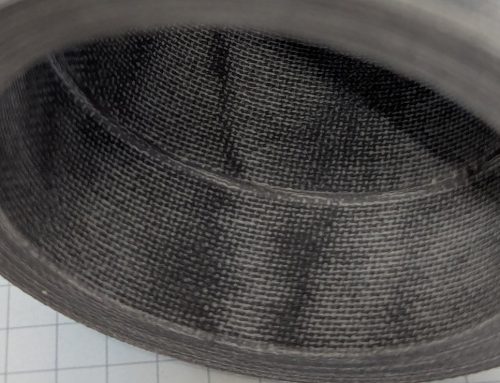
As a self-lubricating composite designed for marine and offshore use, it resists corrosion completely, removing the need for grease and coatings altogether. It’s lightweight yet incredibly strong, easy to install and far gentler on surrounding components.
With low friction and long service life, Tufcot® T100 Marine helps extend maintenance intervals, cut downtime and support more sustainable operations without compromise.

Backed by the World’s Leading Marine Societies
Tufcot’s marine approvals from Lloyd’s Register, DNV, Bureau Veritas, ABS and RINA demonstrate the trusted performance and reliability of Tufcot® T100 Marine.
These certifications validate that Tufcot® rudder bearing and propeller shaft bearing materials meet the strict safety, durability and quality requirements demanded by leading classification societies.
For customers, it means confidence that Tufcot® components are tested, approved and recognised for use in critical marine applications worldwide.
These approvals provide assurance of consistent performance, reduced downtime and compliance with the highest international benchmarks for marine engineering.


Ready to Move Past Corrosion?
Corrosion isn’t going anywhere but it doesn’t have to keep showing up in your maintenance reports.
If you’re still relying on bronze or steel in high-risk marine environments, you’re building problems into the job from day one.
Composite bearings like Tufcot® T100 Marine offer a cleaner, longer-lasting solution. Less maintenance, fewer replacements, no greasing and no corrosion.
If you’re exploring upgrades, specifying new equipment or simply tired of replacing the same components over and over, then contact our technical team to discuss what Tufcot® T100 Marine can do for you.