Rudder bearing failures are rarely caused by a single issue.
In most cases, they develop gradually due to a combination of poor installation, misalignment, contamination, excessive loading and incorrect material selection.
In harsh marine environments, even minor problems can escalate into costly repairs if they are not identified early.
So, what are the most common causes of rudder bearing failure that we encounter in the field?
And what can you do to prevent them?

Material Selection
Not all bearing materials are suited to marine operating conditions.
Load, shaft material, lubrication conditions, operating speed and environmental exposure all need to be considered during specification.
Corrosion resistance, dimensional stability and wear performance are particularly important in marine applications where components may operate continuously in wet conditions.
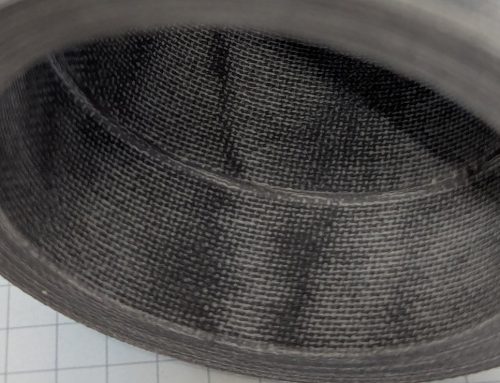
Tufcot® T100 Marine has been specifically developed for these environments and currently holds approvals for rudder and water-lubricated propeller shaft bearings from Lloyd’s Register, DNV, Bureau Veritas, ABS and RINA.
Correct material selection plays a major role in long-term reliability.

Water Ingress, Contamination & Lubrication Problems
Marine environments naturally introduce moisture, debris and contamination into bearing systems.
Traditional metallic bearing arrangements often rely heavily on lubrication systems and sealing arrangements to control friction and wear.
If lubrication becomes inconsistent or seals fail, wear rates can increase quickly.
Water-lubricated composite bearings can help reduce some of these risks by simplifying the overall system and reducing reliance on grease-based lubrication.

Misalignment & Incorrect Installation
Another common cause of rudder bearing failure is misalignment.
If the bearing is not correctly aligned during installation, uneven loading can occur across the bearing surface.
Over time, this leads to increased wear, reduced operating life and, in more severe cases, damage to surrounding components.
Correct clearances and interference fits are equally important.
Composite materials behave differently to traditional metallic bearings once installed, which means installation tolerances need to be calculated correctly for the specific material being used.

How To Prevent Premature Failure
At Tufcot Engineering, our team helps customers select the right bearing materials through Tufcot® T100 Marine, a material specifically developed for demanding marine applications and approved by leading classification societies including Lloyd’s Register, DNV, Bureau Veritas, ABS and RINA.
Our technical team can also advise on bearing alignment, tolerances, operating conditions and other critical factors that help reduce the risk of premature failure and improve long-term reliability.